A Brief History of UK Hydroseeding
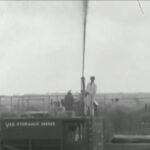
Over the years, many writers have explored how Maurice Mandell invented hydroseeding in North America. However, fewer sources cover how hydroseeding arrived in the United Kingdom and developed here. And although our involvement began in the late 1960s, the use of hydroseeding in the UK was already a tried and tested method of successfully establishing new vegetation.
What is Hydroseeding?
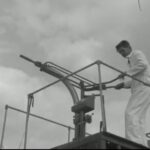
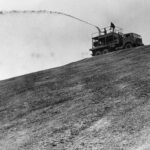
Simply put, hydroseeding is the process of mixing water, seed, hydromulch and nutrients in a specialist applicator call a hydroseeder. When fully mixed together, it is sprayed over areas that are usually unsuitable for traditional seeding techniques.
1940s – The Early Years
During the 1940’s Leslie Alexander developed a precursor to what we might now know today as hydroseeding. Leslie’s process combined peat, bitumen, seed and sand to create a mixture that could be sprayed over difficult terrain. Seeing potential, the British War Office took interest in this new seeding method as way to help hide potential targets. Soon Leslies’s innovational idea was being used to effectively seed hangars and munition stores, reducing risk from enemy attack.
1960s – The God Father of UK Hydroseeding
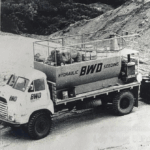
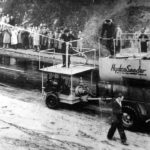
On a visit to the United States, Francis Bellingham seeing the potential for hydroseeding began importing hydroseeders and straw/bitumen mulchers into the UK. Francis’ idea was a success and his company K.L. (Kent Landscapes), rapidly spreads across the country. Keeping up with the fast growing British motorway network, soon K.L. expanded into Europe, undertaking contracts in Belgium and Portugal.
Before long other firms emerge such as BWD, Comtec, Hydraseeders and VEB (the latter taking its name from an earlier term for hydroseeding – Verge and Embankment Beautification).
1970s – Continued Expansion of the UK Road Network
The ongoing boom in road building and mine reclamation projects more firms began offering hydroseeding, these included Thompson and EFG. Although BWD would exit the UK, it established its self as one of the first hydroseeding companies in Australia.
1980s – Equipment & Materials
At the end of the decade witnesses a marked difference in both hydroseeding equipment and materials available. Donath Seeds (later to merge with DLF) becomes the UK agents for Finn, selling its first hydroseeder to RMB.
Donath also offers wood fibre hydro-mulch containing a temporary green indicator dye, gradually replacing the need for bitumen and wood-pulp mulchers.
1990s – Present Day
With the growing number of purpose built hydroseeding units such as Bowie, Finn and Turmaker now in operation so does continued innovation. These include combining the hydroseeding technique with other materials such as turf reinforcement matting, jute or coir blankets, or fibreglass rovings. These additions improve slope stabilisation techniques. High-performance mulches also support erosion control, sediment control and dust control.
Another major advancement is Verdyol Biotic Soil and other BSA (biotic soil amendments) products, that help improve soil quality and allow for sustainable vegetation without the need for importing expensive topsoil onto site or continued fertilising.